

Trees are the top cause of power outages, and REC robust vegetation management team works to keep that number as low as possible. But there’s another second common culprit for power outages to REC member-owners – wildlife and reptiles. Squirrels alone, for instance, can cause 1,000 outages in a single year.
When it comes to wayward critters, REC also has a program in place to protect the creatures and also safeguard your electric service. REC tracks the cause of outages as they occur. Engineers and line crews then use software to determine the areas where animals cause the greatest number of outages.
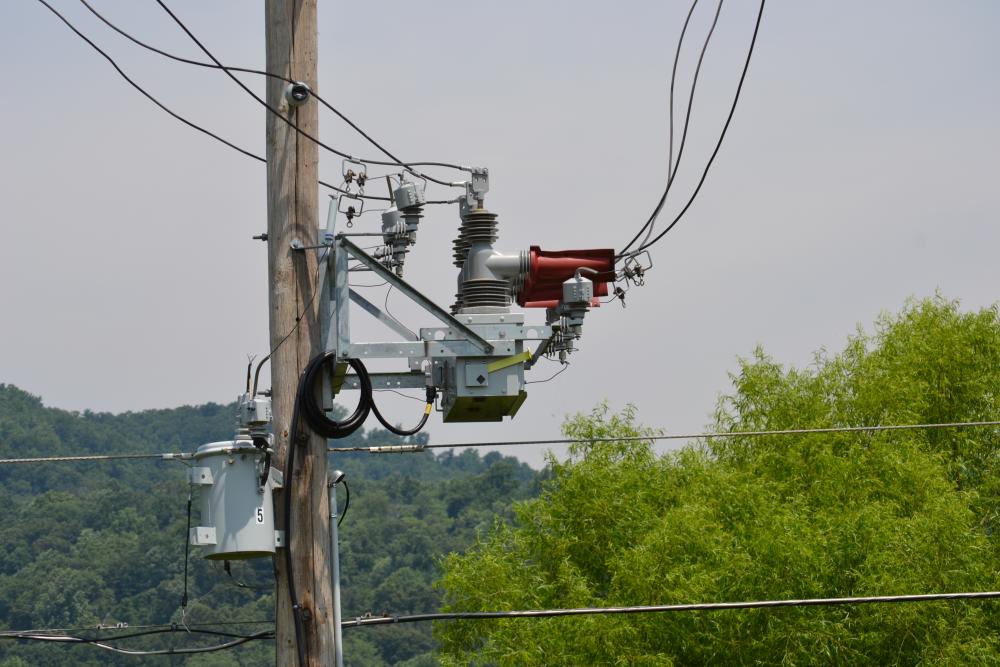
Line crews and contractors deploy to those locations to install devices known as animal guards on transformers and other related equipment.
“We take the data and see where the animal-related outages are, and that’s what we focus on,” said director of operations and construction, Daniel Dewey. Daniel reports to REC’s Bowling Green office and serves the Eastern Region. He noted it’s a constant challenge.
“The squirrels especially are relentless,” Dewey said. To keep them at bay, he said crews are also adding padding to existing animal guards and even wrapping some poles in plastic to keep the critters from climbing them.
Even with all the advances in technology, one little animal still has the potential to affect so many members. But week by week, REC is working to outsmart them and keep reliable electricity flowing where it’s supposed to go.