Regional Transmission Projects
Understanding Electric Transmission Projects
Electric transmission projects are planned to help ensure the regional electric grid can reliably deliver power as the grid ages, generation resources change and electricity needs continue to grow.
REC is a local electric distribution cooperative. While some proposed high-voltage transmission projects may cross portions of REC’s service territory, REC is generally not responsible for planning, selecting or constructing this high-voltage transmission infrastructure.
REC does own, operate and maintain about 150 miles of 115 kV transmission lines out of its total 18,000 miles of infrastructure. These are operated as part of our local grid and are not considered part of the bulk electric system.
How Electricity Gets to You
A simple look at how electricity moves from generation to homes, schools and businesses.

Generation
Power plants generate electricity using a variety of energy sources, like solar, natural gas, nuclear and wind energy.
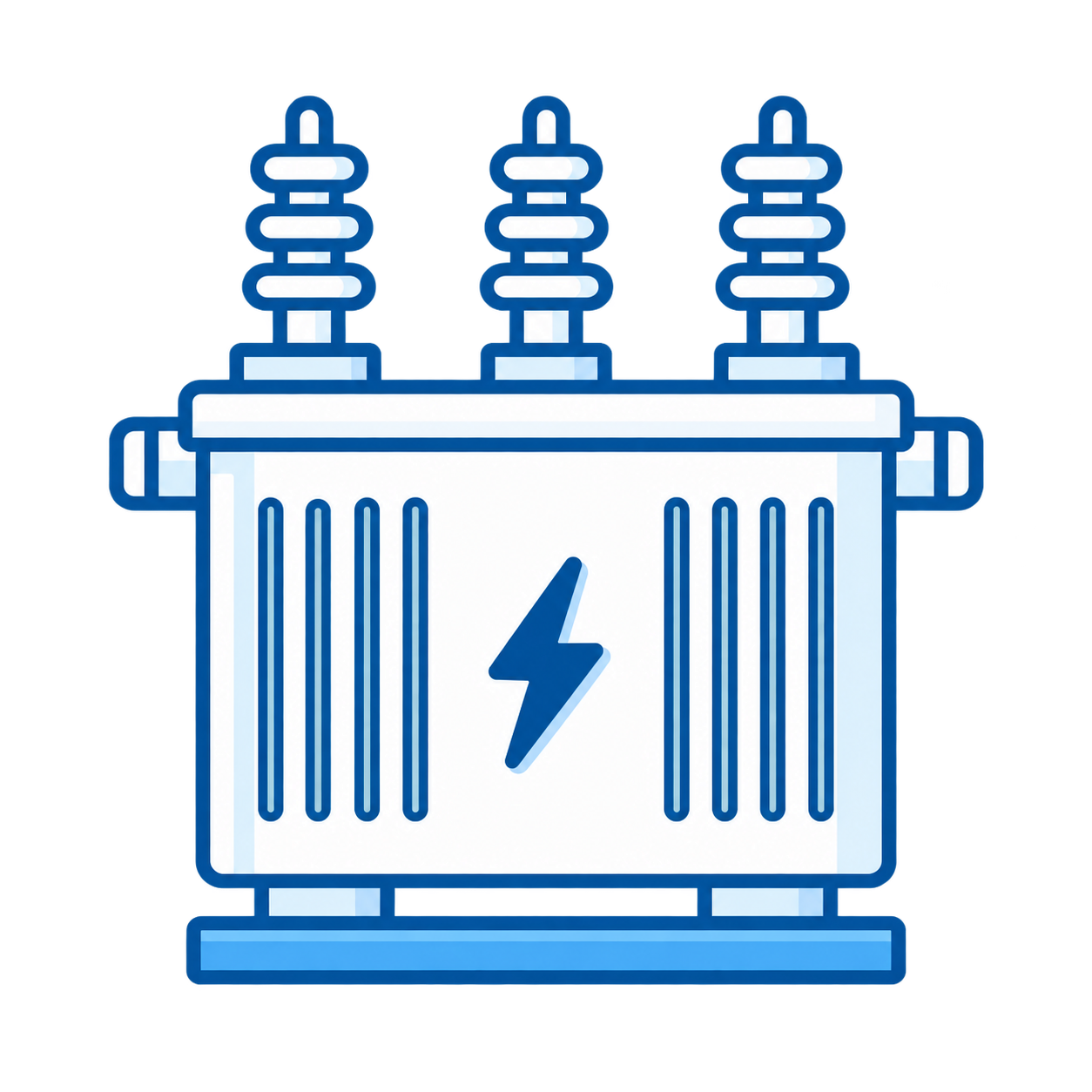
Step-Up Transformer
A step-up transformer increases the voltage to push electricity over long distances.
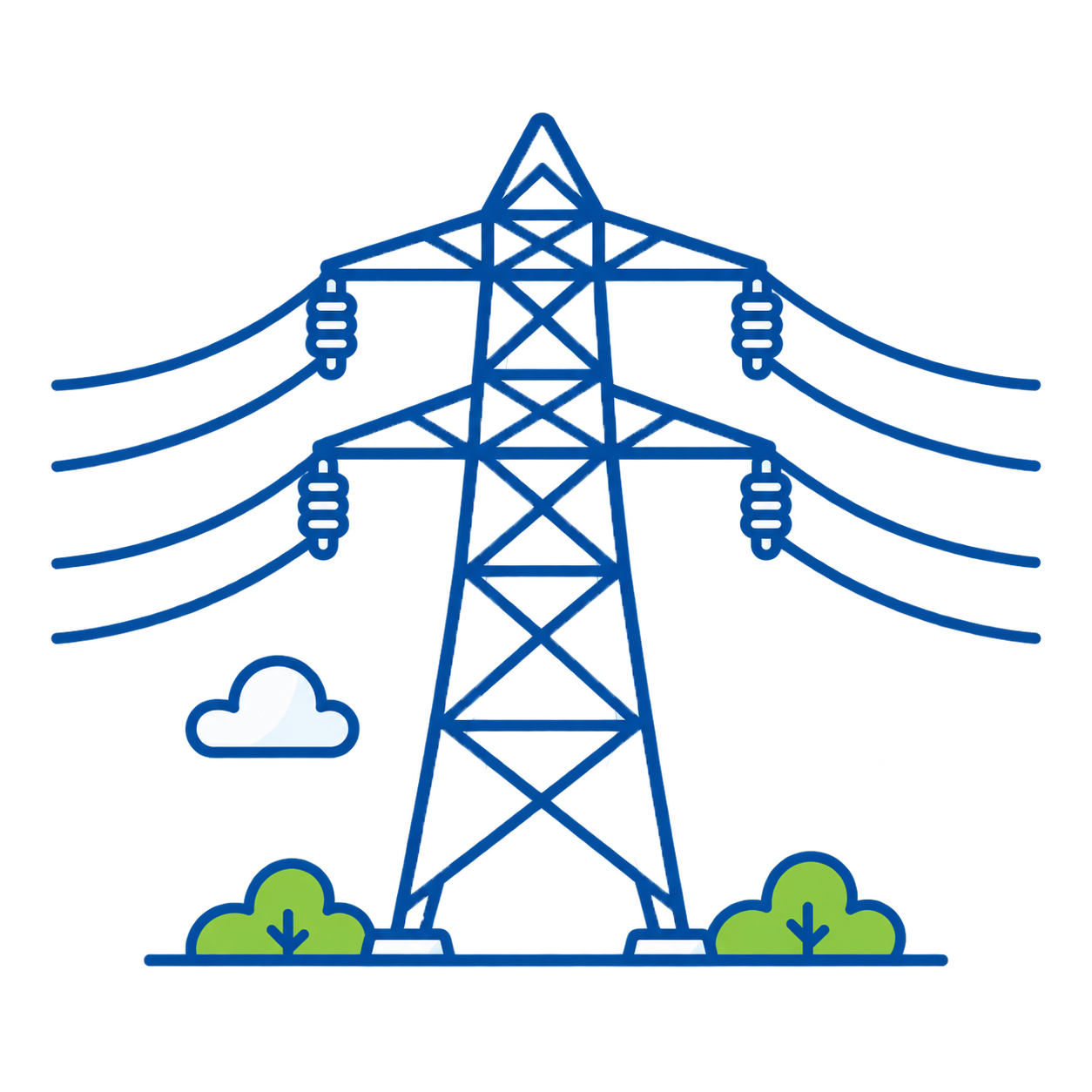
Transmission Lines
High-voltage electricity travels over long distances through these lines.
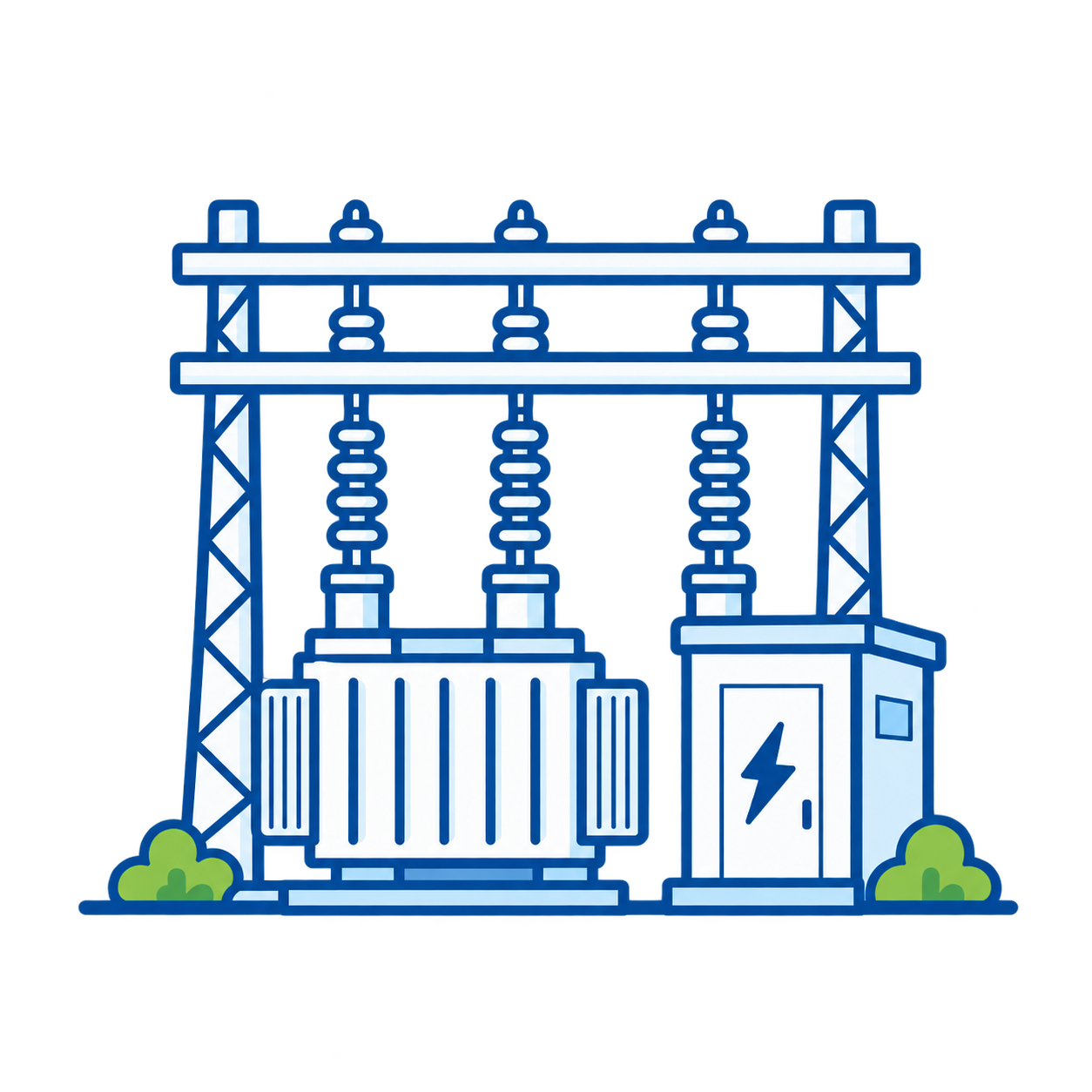
Transmission Substation
Voltage is lowered so electricity can move onto the local distribution system.
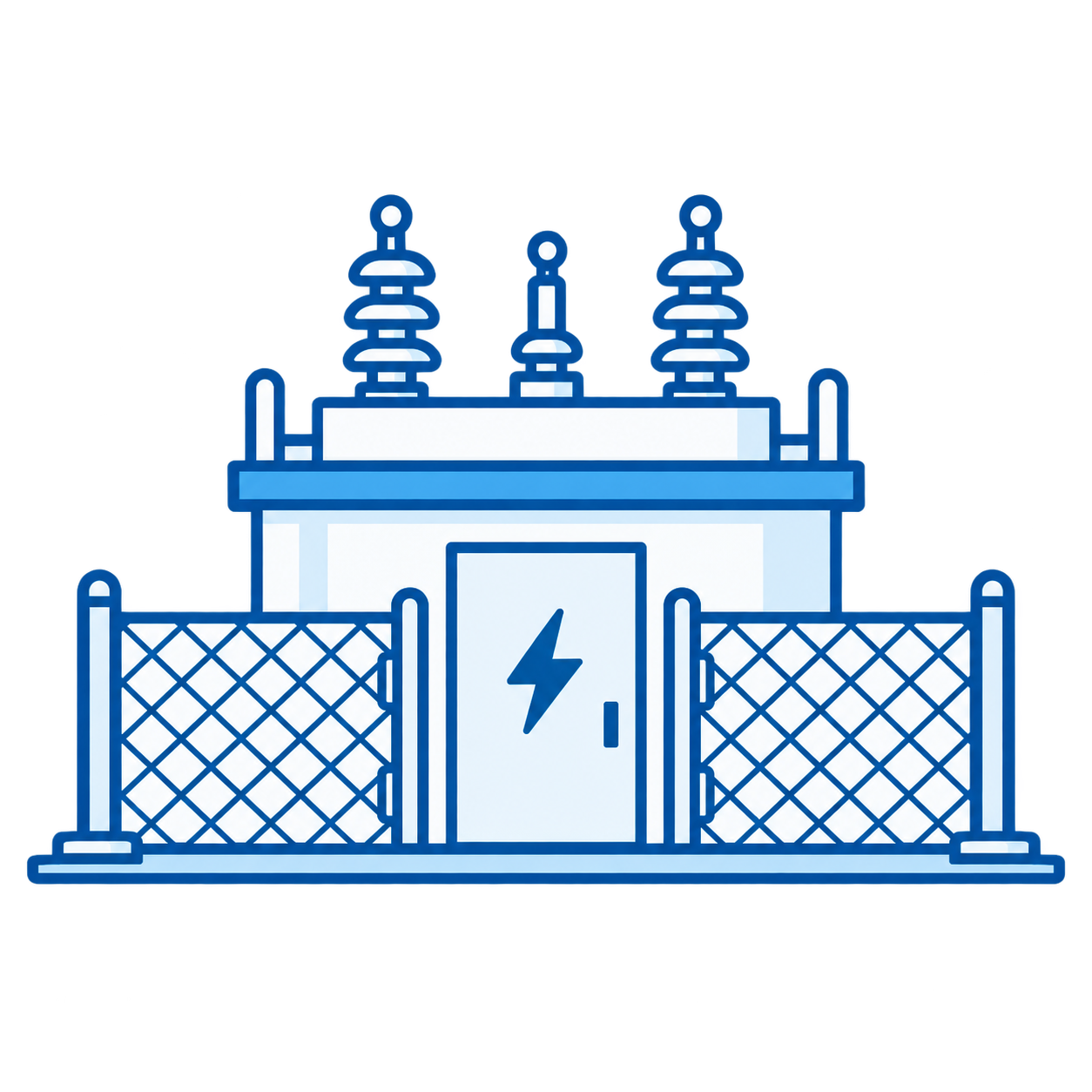
Distribution Substation
The voltage is lowered again so electricity is ready for local distribution.
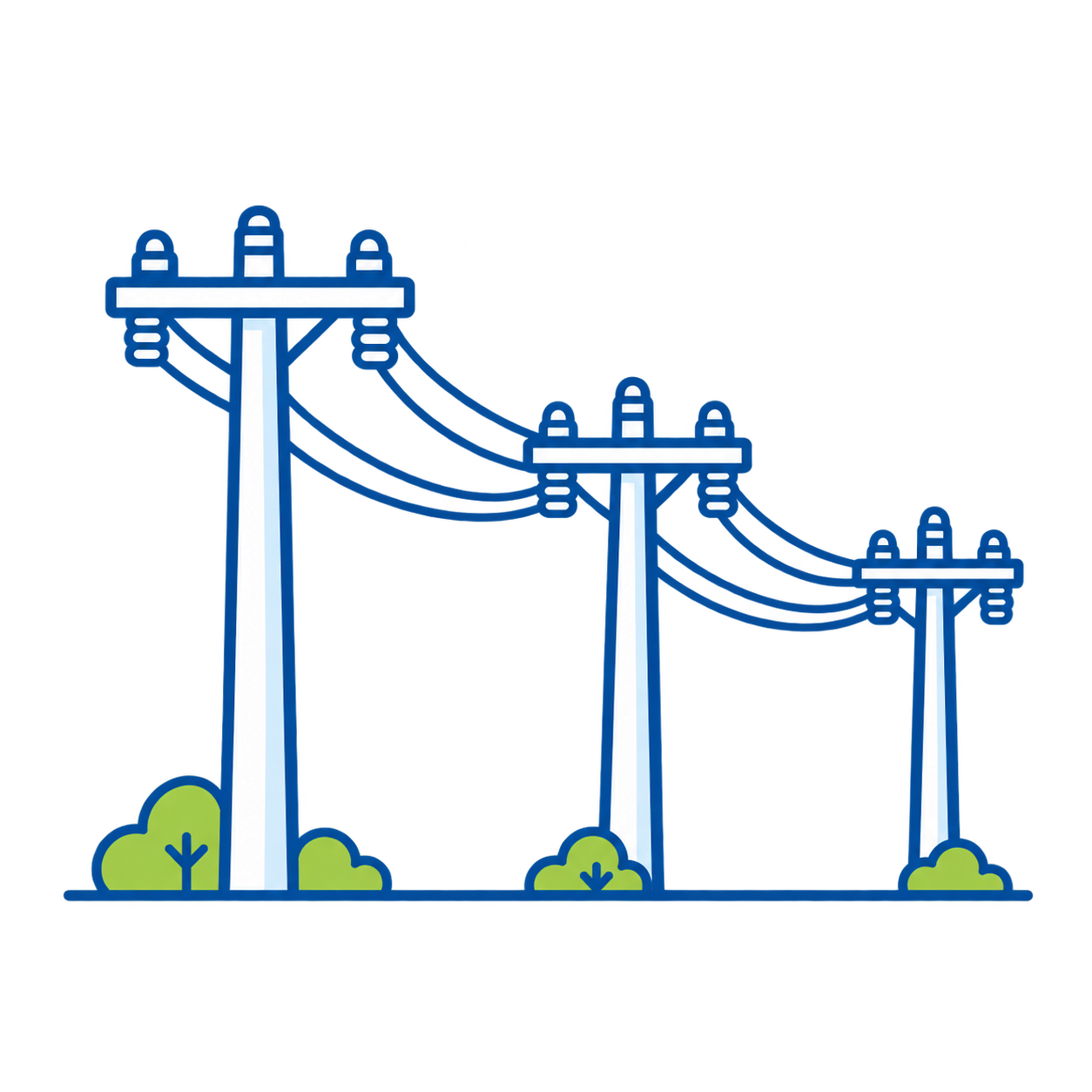
Distribution Lines
Lower-voltage electricity travels along local distribution lines.

Final Stop
A final transformer reduces the voltage before electricity reaches homes, schools and businesses.
Why are new high-voltage transmission projects being proposed?
Virginia is experiencing significant growth in electricity demand. At the same time, new electric generation has not kept pace with increasing demand and the retirement of some existing power plants. This is in part influenced by Virginia policy. Much of the needed generation is currently being built in other states, like Pennsylvania and West Virginia.
As a result, the Commonwealth has become more dependent on transmission infrastructure to move electricity from where it is generated to where it is needed.
Regional transmission planning is conducted by PJM Interconnection, the organization responsible for maintaining the reliability of the electric grid for 67 million people across a 13-state region and the District of Columbia.
PJM annually evaluates current and future electric demand, generation resources and system reliability needs, looking out over a 15- to 20-year timeframe. When additional transmission is determined to be necessary, projects are identified to strengthen the regional grid and support future electricity needs.
REC’s role
REC is not a direct participant in the design, evaluation or approval of regional transmission projects.
As a distribution cooperative, REC delivers electricity to homes and businesses over its local distribution system. As REC sees growth – whether residential, small business or large-scale economic development projects – in its service territory, the Cooperative engages with transmission-owning utilities to help inform their planning process.
High-voltage transmission projects are part of the larger regional electric grid and are evaluated and approved through separate regulatory and planning processes than the processes REC uses for distribution grid planning.
How a
Transmission
Project Happens

Electric Demand Grows

PJM Identifies a Need

Utility Proposes a Project

SCC Reviews Application & Public Comments

Project is Approved, Modified or Denied
Frequently Asked Questions
Does REC decide where high-voltage transmission lines are built?
No. Regional transmission needs are evaluated through PJM – the organization responsible for maintaining the reliability of the electric grid. Proposed projects, including the specific locations for those projects, are reviewed through state regulatory processes. REC is not responsible for selecting routes or approving these types of projects.
Why are more transmission projects being proposed?
Electricity demand is increasing across Virginia and the broader PJM region. Additional transmission infrastructure is likely to be needed to maintain reliability and deliver electricity where it is needed. Projects may be needed for other reasons too, such as to replace equipment that is approaching its end-of-life.
Will these new high-voltage transmission lines connect directly to REC’s distribution system?
It depends on the project. Multiple transmission projects have been proposed or are under review in portions of REC’s service territory and elsewhere across Virginia as the regional electric grid continues to evolve. Some transmission lines cross REC’s service territory without being interconnected to REC’s local distribution system.
Who approves transmission projects in Virginia?
Most major transmission projects require review and approval by the Virginia State Corporation Commission , which evaluates applications through a public process that includes opportunities for public input.
Learn More
Virginia State Corporation Commission Transmission Line Projects
The State Corporation Commission page maintains a list of major transmission projects statewide by region, including projects located within or near REC’s service territory.
Virginia State Corporation Commission Transmission Line Projects