

Savings Tips & Programs
Save Energy. Save Money.
Simple changes around your home can help you use energy more efficiently, stay comfortable and better manage your electric bill.
Explore Savings TipsStart With the Season
Smart Savings All Year Long
Your home's energy needs change with the weather. Start with seasonal recommendations, then explore practical ways to save throughout your home.
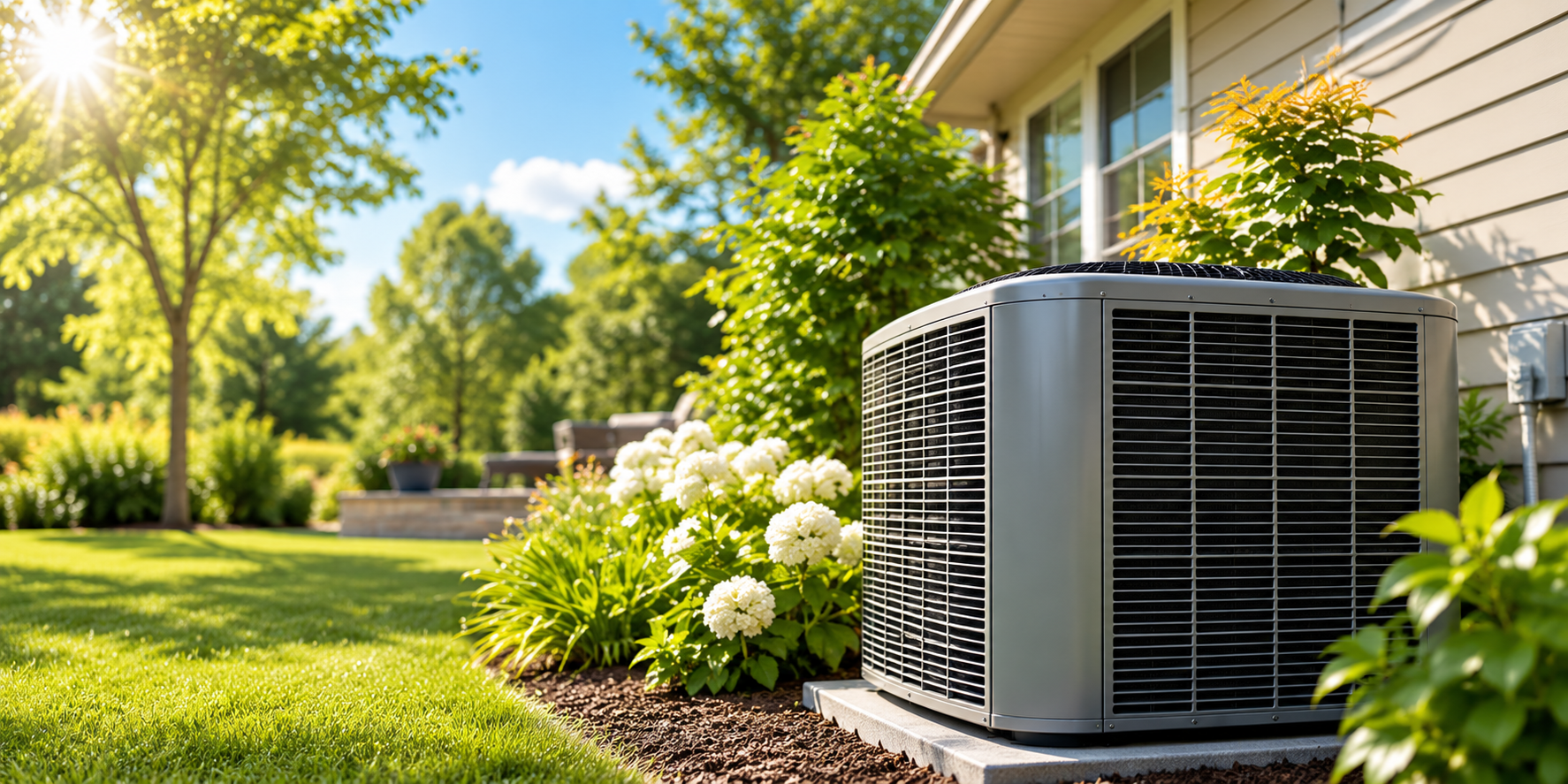
Summer Energy Savings
Stay Cool Without Wasting Energy
When temperatures climb, focus on cooling efficiently and keeping unwanted heat out of your home.
- Keep your thermostat at 78°F or the highest comfortable setting.
- Check HVAC filters monthly and replace them when dirty.
- Close drapes and curtains to keep direct sunlight out during the day.
- Keep supply and return vents clear of furniture and other objects.
- Run ceiling fans only in occupied rooms.
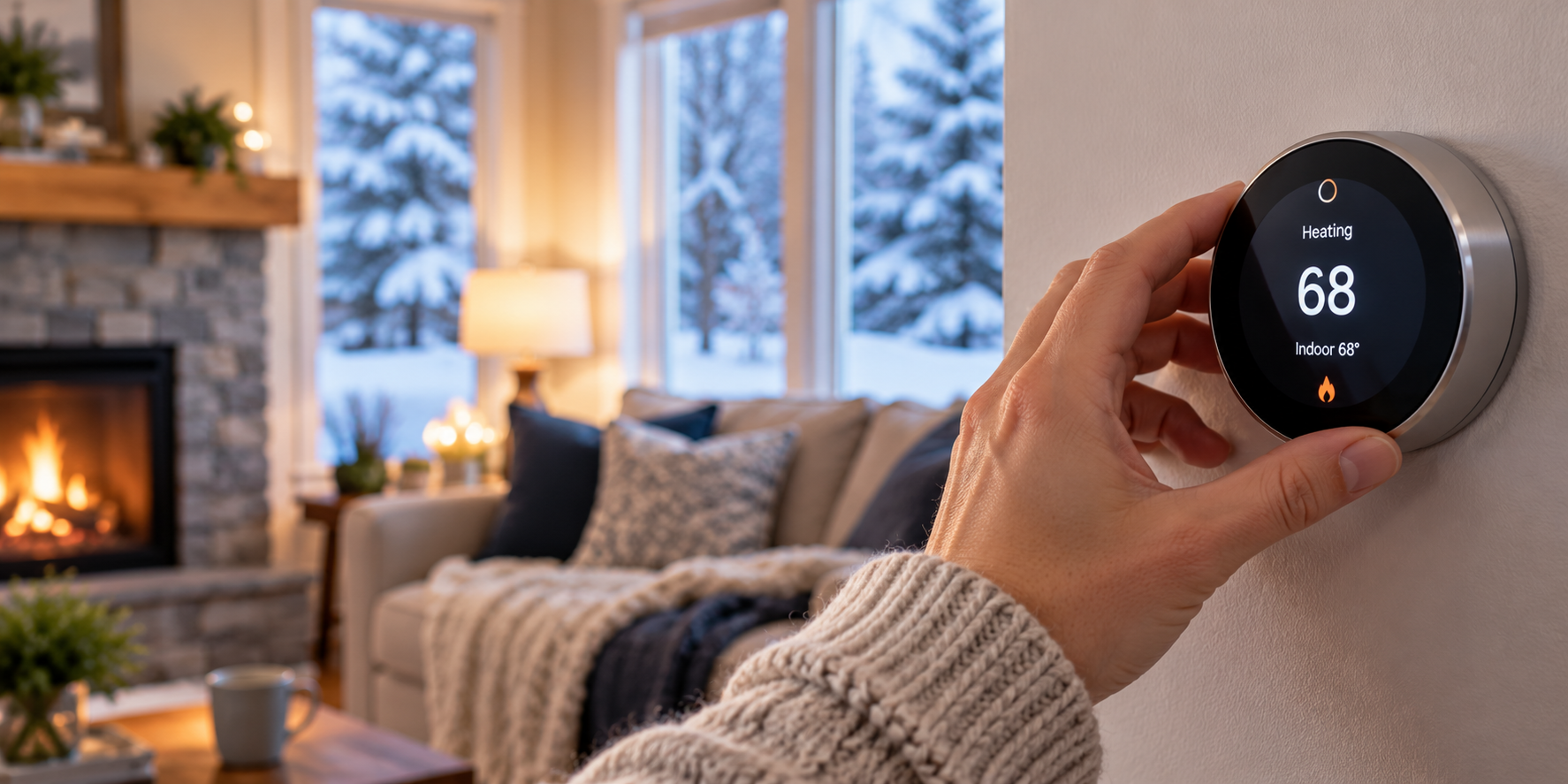
Winter Energy Savings
Stay Comfortable While Keeping Heat In
During colder weather, small adjustments can help reduce heating demand without sacrificing comfort.
- Set your thermostat to 68°F or lower.
- Seal drafts around windows, doors and other air leaks.
- Set your water heater to 120°F.
- Check HVAC filters monthly and change them when dirty.
- Open drapes and curtains during the day to let sunlight in.
Personalized Energy Help
Ask REC's Energy Experts
Have a question about your home's energy use? REC's Energy Experts can help you identify opportunities to improve efficiency and better understand your energy use.
Room by Room
Ways to Save Around Your Home
Heating, cooling, lighting, water heating and everyday appliances all contribute to your home's energy use. Explore the topics below to find opportunities that work for your household.
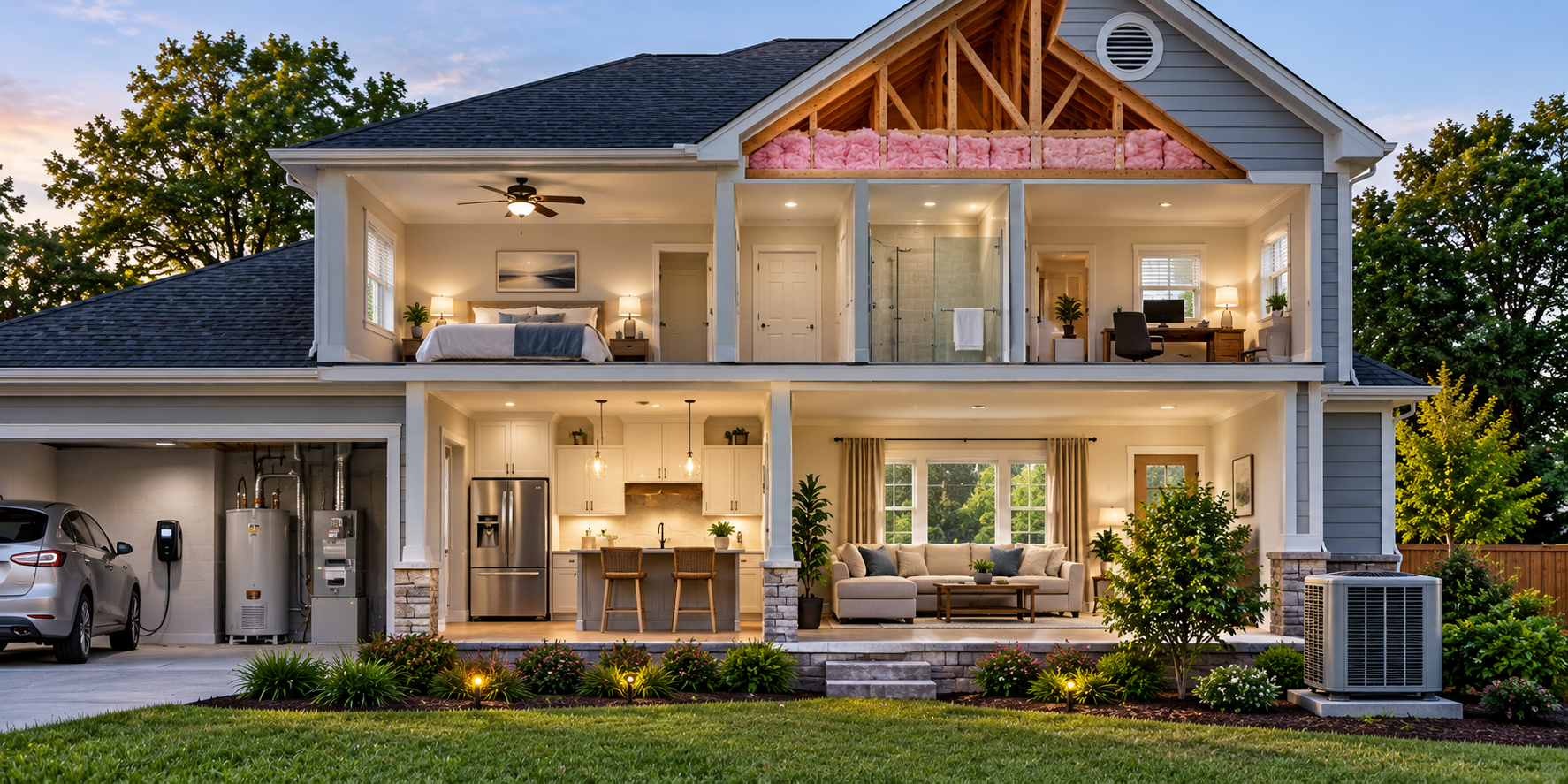
Thermostats & Temperature Control
Smart and Programmable Thermostats
Being smart about temperature settings can help save energy while keeping your home comfortable. REC suggests 68°F in winter and 78°F in summer.
Programmable and smart thermostats can adjust temperatures based on your schedule, including while you are sleeping or away.
- Schedule heating and cooling around your normal routine.
- Adjust temperatures when nobody is home.
- Use remote controls when supported by your thermostat.
Lighting
Choose Efficient Lighting
When selecting bulbs, compare brightness in lumens and use the Lighting Facts label to evaluate light appearance and energy use.
- 2700–3000 K provides a softer, warmer light.
- 3500–4100 K produces a whiter light.
- 5000–6500 K produces a bluer white or daylight appearance.
HVAC Filters
Keep Air Moving Efficiently
Check air filters at least once a month and change them as needed. REC's energy advisers recommend filters with MERV ratings of six to eight unless the system is designed for higher ratings.
Turn the HVAC system off before changing the filter and make sure the airflow arrow points toward the blower motor.
Ceiling & Exhaust Fans
Use Fans Where They Help
- Run ceiling fans only when a room is occupied.
- Use counterclockwise rotation during summer.
- Use clockwise rotation during winter.
- Turn kitchen, bath and other exhaust fans off soon after they are no longer needed.
Electronics & Standby Power
Unplug What You're Not Using
Some electronics continue using electricity while powered down. Chargers, entertainment equipment, computers and small appliances can all contribute to standby energy use.
Consider using a smart power strip so multiple devices can be disconnected at the same time.
Ventilation & Airflow
Keep Airflow Paths Clear
Keep heating and cooling registers, return vents, radiators and baseboard heaters unobstructed by furniture, rugs, curtains and other household items.
Poorly sealed, insulated or damaged ductwork can contribute to higher energy use and comfort problems.
Air Leaks, Insulation & Windows
Keep Conditioned Air Where It Belongs
Check around windows, doors, plumbing penetrations, electrical outlets and other openings for gaps that allow conditioned air to escape.
- Weatherstrip doors and windows.
- Caulk and seal gaps around penetrations.
- Install foam gaskets behind outlet and switch plates.
- Close fireplace dampers when fireplaces are not in use.
- Use window coverings strategically to manage heat gain and loss.
Water Heating
Use Less Hot Water
REC identifies four primary approaches: use less hot water, lower the water-heater temperature, insulate the tank and pipes where appropriate, or choose a more efficient replacement.
- Set the water heater to 120°F.
- Take shorter showers instead of baths.
- Repair leaking faucets promptly.
- Wash full loads of dishes and clothes.
- Wash clothes in cold water when appropriate.
Appliances & Laundry
Get More From Everyday Appliances
Dishwashers
- Run only full loads without overloading.
- Use air dry instead of heated dry when possible.
- Compare EnergyGuide information when shopping.
Refrigerators
- Keep doors closed as much as possible.
- Keep older-model condenser coils clean.
- Avoid placing refrigerators next to major heat sources.
Laundry
- Wash full loads when possible.
- Use cold or warm water instead of hot when appropriate.
- Use high-speed spin cycles to remove more moisture.

Outside Your Home
Ways to Save Outside Your Home
Smart landscaping can help protect your home from winter wind and summer sun while reducing the amount of energy needed for heating and cooling. Explore the topics below for practical outdoor energy-saving ideas.
Why Smart Landscaping Matters
Landscaping Can Affect Home Energy Use
Heating and cooling is one of the largest energy expenses for most homes. Thoughtful landscaping can help lower heating and cooling costs by providing shade and protection from wind.
Strategically positioned trees can save up to 25 percent of a household's energy consumption for heating and cooling.

Shading an air-conditioning unit can increase its efficiency by up to 10 percent.

A well-designed landscape can create enough energy savings to pay for itself in less than eight years.
Windbreaks
Use Landscaping to Reduce Winter Wind
A windbreak reduces heating costs by lowering the wind chill around your home. It also creates dead air space that insulates your home in the summer and winter.
- Plant coniferous trees and shrubs to the north and northwest of your home to help stop wind.
- Make the distance between your home and the windbreak about two to five times the height of the mature tree for maximum protection.
- Build a fence or wall in addition to planting coniferous trees to deflect wind over your home.
- Plant low shrubs on the windward side of the windbreak to help trap snow before it blows next to your home.
Shade & Tree Placement
Reduce Solar Heat Gain With Shade
Planting trees, bushes or shrubs to shade windows, roofs and air conditioners can help reduce solar heat gain in your home, surrounding air temperatures and overall energy costs.
- Plant six- to eight-foot deciduous trees near your home to begin shading windows in the first year.
- Plant trees with crowns lower to the ground on the west side if you want to shade from lower afternoon sun angles.
- Plant deciduous trees to the south of your home to help screen summer sun.
- Plant bushes, shrubs or climbing vines with a trellis to shade patio areas.
- Use shrubs and groundcover plants to help cool air before it reaches your home.
Outdoor Cooling Equipment
Give Your Outdoor Unit Some Help
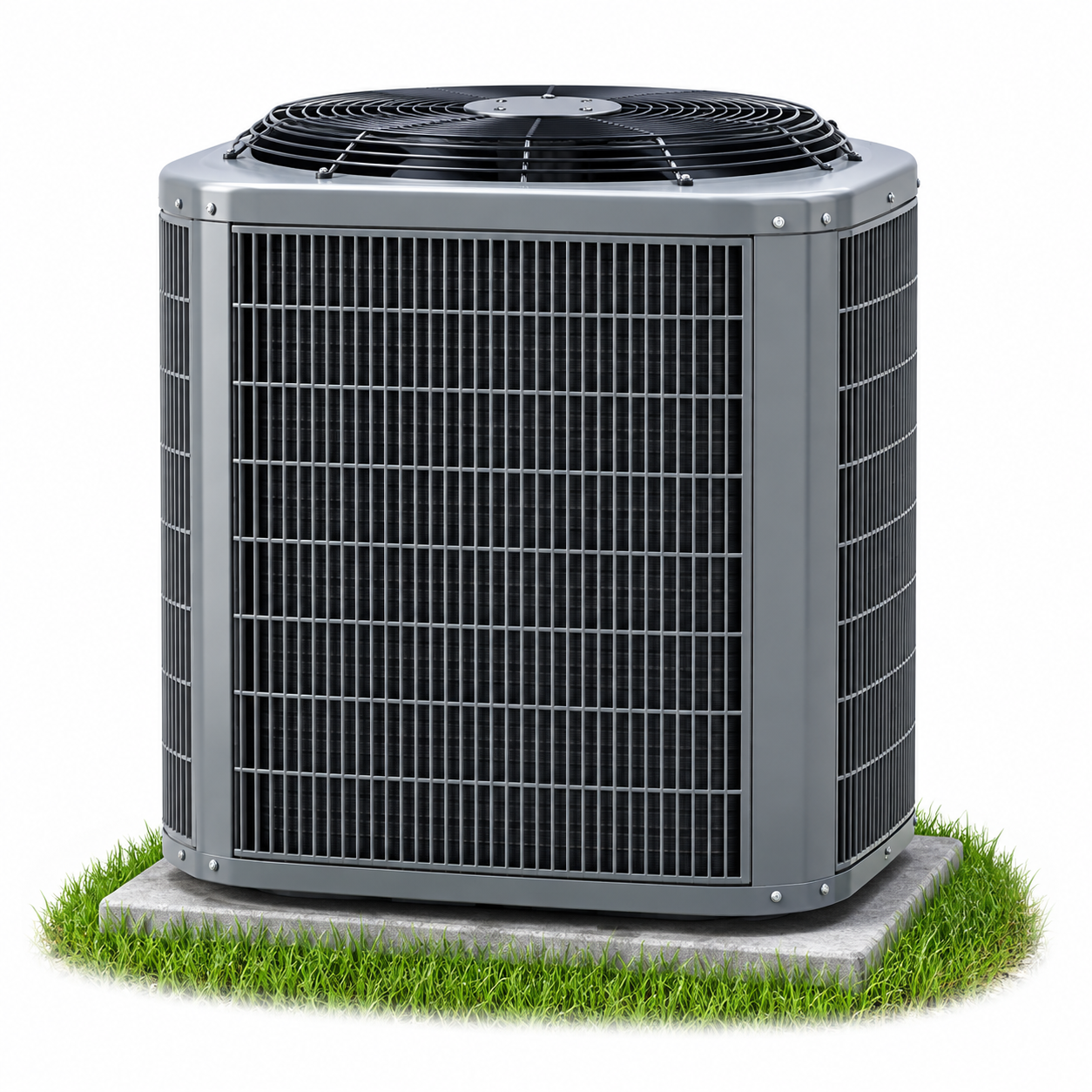
Shading an air-conditioning unit can help improve efficiency, but the equipment still needs proper airflow around it.
- Use nearby landscaping to provide shade without blocking airflow.
- Keep shrubs, leaves and other vegetation clear of the unit.
- Avoid enclosing the equipment tightly with fencing or plants.
Coniferous vs. Deciduous Trees

Coniferous Trees
Coniferous trees and shrubs have leaves year-round, providing continuous shade and helping block winter wind.

Deciduous Trees
Deciduous trees block solar heat in the summer and lose their leaves in the fall, allowing sunlight through during winter.
Keep Exploring
Additional Energy Resources
Powering What's Next
Explore Vividly Brighter®
Discover REC products and services designed to help members explore new ways to save money and prepare their homes for the future.