Imagine the power went out while you were reading this. Not later, after you’ve seen the forecast and made a trip to the store. Right now. Could you find a working flashlight? Would you have drinking water if your well pump stopped? And if the outage stretched through a cold night — or longer — how would your household stay warm?
Your answers can help you to prepare before the next winter storm.
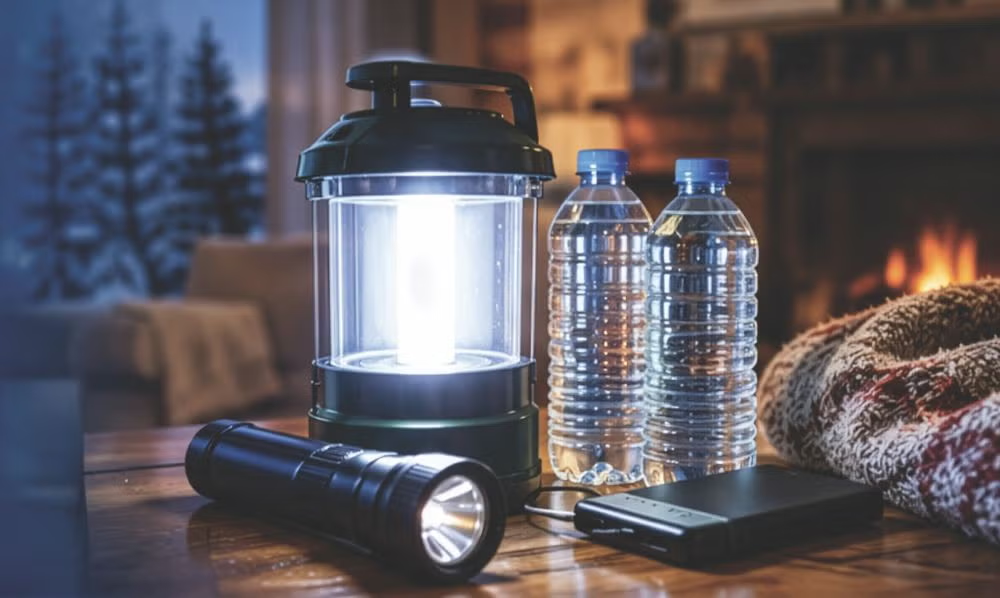
Snow, ice and high winds can damage the electric system and lead to power outages. REC maintains and upgrades its electric system year-round to improve reliability and prepares to respond when outages occur. Preparing at home matters, too. Keep the essentials within reach. Keep flashlights or battery-powered lanterns somewhere easy to find. Test flashlights and battery-powered lights now, store spare batteries nearby and make sure everyone knows where to find them. Save your phone’s battery for communication by keeping a separate light source available.
Keep an emergency water supply, especially if your home relies on an electric well pump. Store at least 1 gallon of water per person per day for at least three days, plus additional water for pets. When winter weather is forecast, set aside extra water for cooking and basic household needs.

Prepare for the cold
An extended winter outage can leave your home without heat.
Even heating systems that use propane, natural gas or other fuel may rely on electricity to operate fans, pumps or controls. Check whether your heating system can operate without electricity before you need it.
Extra blankets, sleeping bags and warm layers can help conserve body heat. Identify a safe place to stay if your home becomes too cold, such as a friend’s home or an available warming center. If you use a fireplace, wood stove, generator or another backup heat or power source, make sure it is ready before you need it and that everyone understands how to use it safely. Operate portable generators outdoors, at least 20 feet from doors, windows and vents. Never use an oven or cooking stove to heat your home. Check smoke and carbon monoxide alarms before winter.

Plan for your household
Preparedness looks different for every family. If someone in your home relies on powered medical equipment or refrigerated medication, work with their healthcare provider or equipment supplier on a backup plan before an outage.
Keep phones and portable power banks charged when severe weather is approaching. Consider adding a battery-powered weather radio so your communication plan doesn’t depend entirely on a mobile phone. Know how to manually open an electric garage door. Keep ready-to-eat food and a manual can opener on hand.
Build your plan around the supplies, equipment and care your household depends on each day.
Know what to do if the lights go out
Update your contact information and sign up for outage text alerts before a storm. Report an outage through MyREC SmartHub or by calling 800-552-3904. Outage reporting is available 24 hours a day.
Preparing now on a quiet fall day can make a big difference on a stormy winter one.
Start today: Test your flashlights, check your supplies and save REC’s outage-reporting number.
MyREC SmartHub
800-552-3904